The Fretline Pedalboard: When Furniture Meets Fender
I’ve always believed that there is no point in building custom furniture unless it makes you say “wow”. Usually, my work lives in the living room or the dining room, but for this project, I wanted to build something for the music studio.
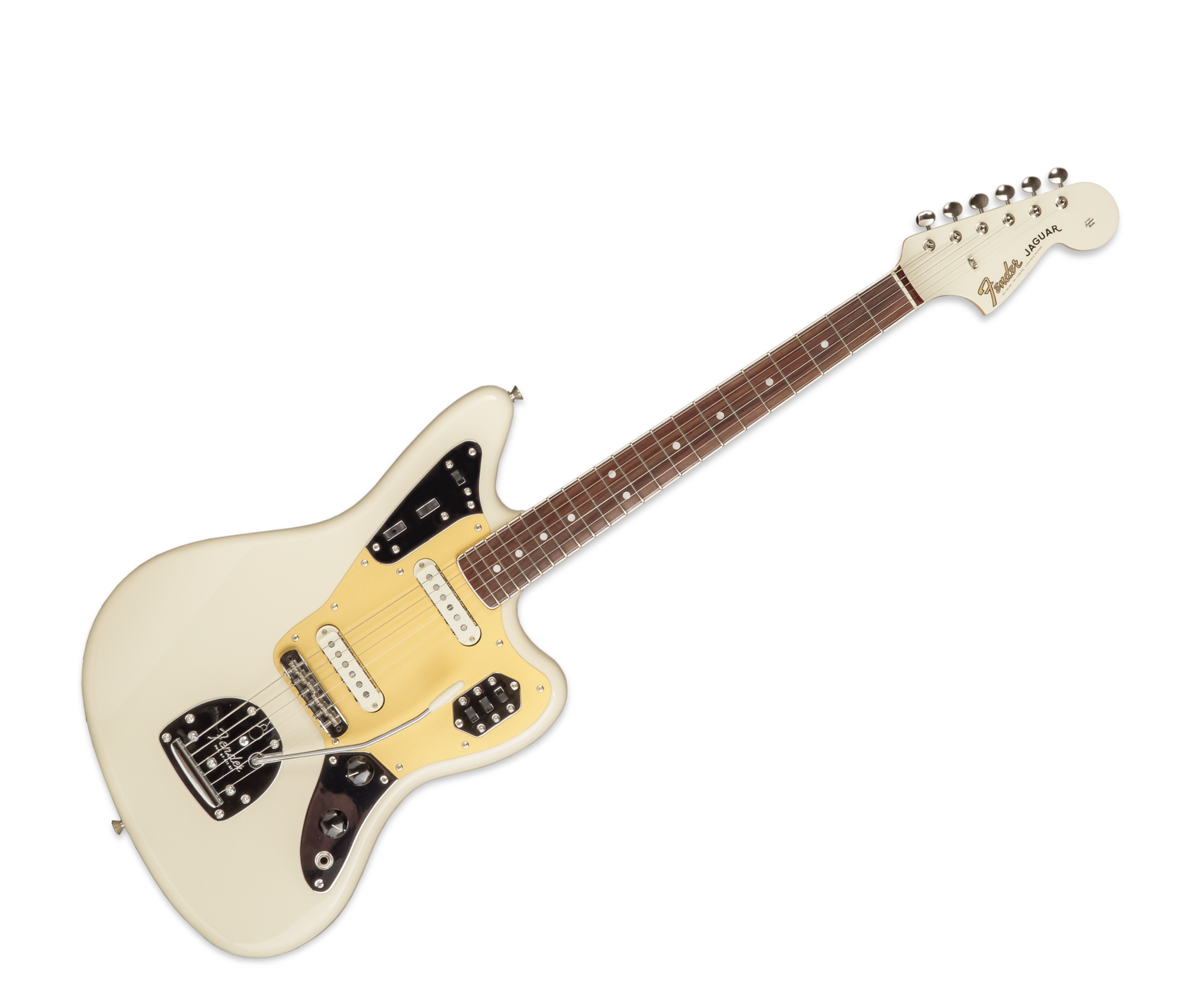
Inspired by the iconic curves and attitude of a 1960s Fender Jaguar, this piece is designed to hold a guitarist’s rig steady while looking like an instrument itself. It features two stages for pedal placement, with a raised back row to make access easy during play.
A Luthier’s Influence
The design didn’t start with a fretboard. That idea came from my neighbor, Dave.
Dave is a talented Luthier (guitar maker) with over 40 years of experience. When I walked into his shop to get feedback on my initial design, it felt like stepping into a different world. While we both work with wood, instrument making is a world of subtle curves, purpose-built tools, and a reliance on “feel” over engineering perfection.
Dave looked at my design and gave me the idea that changed everything: “Why not make the front of the pedalboard look like a fretboard?”.
It was a challenge I couldn’t say no to.
Building a “Real” Fretboard
I didn’t want this to just look like a guitar neck; I wanted it to be built like one.
I used a piece of 100-year-old reclaimed walnut for the front face. There is something poetic about wood that sits untouched for decades only to spring back to life with a new purpose.
Using real luthier tools and templates, I cut the fret slots to tonally accurate spacing. I radiused the board to a 20-inch arc using a hand-sanding block, pressed in real fret wire, and installed abalone dot inlays by trusting my eye rather than a ruler.
Floating Platforms & Hidden Functionality
While the front is all about aesthetics, the deck is all about function.

An integrated power supply is housed beneath the surface.
Guitarists use a complex assortment of pedals, so organization is key. I built the pedal platforms out of beautiful Black Cherry sourced from Gutchess Lumber. To give the pedals the illusion of floating in mid-air, I dyed the supports beneath them with India Ink — a deep, rich black that disappears into the shadows.
The two-tier design creates space underneath for a dedicated Voodoo Lab power supply and complex cable routing, keeping the top clean and organized.
The 20-Coat Finish
To truly honor the Fender inspiration, I couldn’t just use a standard furniture oil. I needed that deep, liquid gloss you see on a vintage guitar body.
I painted the maple sides in a “Vintage White” using a Nitrocellulose lacquer. This was a massive undertaking, requiring: 3 coats of sealer, 3 coats of color, and 14 coats of clear gloss lacquer.
After weeks of curing, I wet-sanded the finish up to 3000 grit and hand-buffed it until it was mirror-smooth. The final touch was routing a recess directly into this high-gloss finish to inlay a branded brass medallion — a nerve-wracking final step that perfectly brands the piece.
Available Now
This project pushed me out of my comfort zone and into the world of instrument making. It is functional, sculptural, and studio-ready.
I built two of these custom boards. One was a commission, and the other is available now for a discerning musician or collector.